
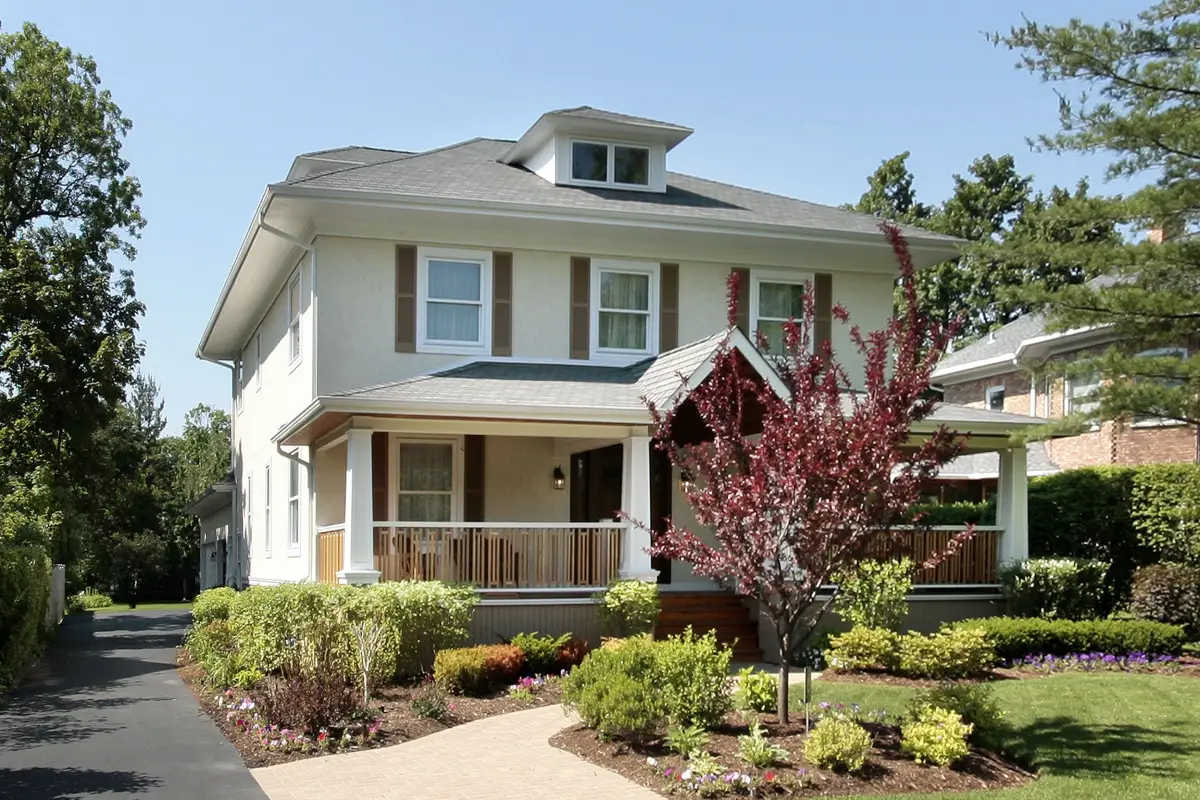
Clarity in rental ownership often begins when decisions are shaped by strategy and owners actively protect rental assets before problems surface. Single-Family Homes tend to support that mindset well by offering simpler operations, clearer pricing paths, and renter demand that favors stability over short stays.
At PMI Triangle, we work strictly with residential properties across Raleigh. That focus gives us insight into how property types perform over time and allows us to guide owners toward choices that reduce friction, support predictable income, and keep growth manageable.
Key Takeaways
- Single-Family Homes in Raleigh often attract renters planning longer stays.
- Detached properties provide greater flexibility in rent positioning.
- Maintenance planning stays simpler without shared building systems.
- Adaptable layouts help homes remain functional as tenant needs change.
- Portfolio growth feels steadier when properties operate independently.
What Raleigh Renters Are Really Looking For
Raleigh renters tend to evaluate more than square footage. Lifestyle fit plays a large role, especially for residents balancing work-from-home schedules, family needs, and day-to-day convenience.
Single-Family Homes often meet those expectations more naturally. Private entrances, storage options, and outdoor access help rentals feel permanent rather than transitional. That sense of permanence frequently shows up in longer lease terms and fewer nonessential move-outs.
Owners who want better visibility into how those factors affect performance often benefit from reviewing organized reporting tools. Insights from clear owner reporting can make trends easier to spot and decisions easier to justify.
Why Density Changes the Ownership Experience
Density plays a bigger role in daily operations than many owners expect. Multifamily properties introduce shared walls, common areas, and overlapping systems that can magnify small issues.
Single-Family Homes reduce those pressure points. Repairs usually involve one household. Scheduling stays straightforward. Noise complaints and shared-space disputes occur less often. Over time, these differences can significantly reduce administrative strain.
From our side, lower-density properties allow more attention on proactive planning and long-term performance rather than constant reaction.
Layouts That Continue to Work Over Time
Tenants often move when their space no longer fits their routine. In Raleigh, that can mean needing a home office, accommodating family visits, or carving out storage and hobby space.
Single-Family Homes usually offer layouts that adjust more easily. Spare bedrooms become offices. Dining areas evolve into study zones. Garages and basements provide flexible use. This adaptability often keeps tenants comfortable longer and helps limit vacancy gaps.
Detached homes also tend to offer better separation between living areas, which quietly improves day-to-day livability and renewal likelihood.
Pricing Control Without Internal Competition
Rent pricing becomes complicated when similar units compete under one roof. Multifamily buildings often limit flexibility because tenants compare nearly identical spaces.
Single-Family Homes compete at the neighborhood level instead. Owners can price based on condition, curb appeal, parking, outdoor features, and upgrades without being constrained by nearby identical units.
That flexibility aligns with national demand trends. The median existing single-family home price reached $426,800 in the third quarter of 2025, reflecting sustained interest in detached living that often carries into rental demand.
Maintenance Planning With Fewer Variables
Maintenance affects both budgets and tenant satisfaction. Multifamily properties often involve shared systems that require coordination across multiple households.
Single-Family Homes keep issues isolated. Repairs can be scheduled without cascading disruptions, and costs remain easier to track per property.
Detached homes often feel more predictable because:
- Access involves one household
- System issues stay contained
- Budgeting remains clearer
This predictability supports steadier financial planning and fewer surprise expenses.
Insurance Awareness and Risk Boundaries
Risk management works best when responsibility lines are defined. Single-Family Homes typically involve fewer shared-liability scenarios, which helps clarify coverage needs.
Staying informed is especially important as requirements evolve. Raleigh landlords should keep an eye on regulatory shifts that affect policies and documentation. Updates outlined in insurance planning updates help owners anticipate changes instead of reacting late.
Choosing Where to Grow Next
Expansion works best when location decisions match long-term goals. Single-Family Homes allow owners to diversify across Raleigh neighborhoods instead of concentrating risk in one structure.
Understanding which areas show momentum can shape smarter acquisition choices. Local insights into emerging Raleigh areas can help align purchases with renter demand and future appreciation.
Letting Data Guide Confident Decisions
Strong portfolios rely on data, not assumptions. In a competitive market like Raleigh, disciplined analysis protects owners from overpaying, underpricing, or misjudging demand.
One national data point reflects a broader trend. Single-family rents have been reported as 20% higher than multifamily rents, reinforcing renter willingness to pay for privacy and space.
Financial clarity matters just as much after purchase. Accurate documentation supports planning and compliance, which is why guidance on tax reporting basics plays an important role in long-term ownership.
FAQs about Single Family Homes in Raleigh, NC
Do single-family homes appeal to long-term renters in Raleigh?
Many renters seeking stability prefer detached homes because they offer privacy and flexibility, which can support longer lease terms when pricing and condition align with local expectations.
How does maintenance coordination differ for single-family properties?
Maintenance usually involves one household and one system, which simplifies scheduling and reduces disruption compared with properties that share infrastructure across multiple units.
Are single-family homes easier to price accurately?
Pricing often relies on neighborhood comparables and property features rather than internal unit competition, which gives owners more control over positioning.
Does location impact performance for single-family rentals?
Yes, proximity to employment centers, schools, and amenities can significantly influence demand and consistency across Raleigh neighborhoods.
What should owners review before expanding a portfolio?
Owners should assess current performance, maintenance patterns, and financial tracking to ensure systems are repeatable before adding new properties.
Where Strategy Turns Into Stability
Single-Family Homes often give Raleigh owners a clearer path forward by combining renter appeal with operational simplicity. When each property fits a broader plan, growth becomes easier to manage and less reactive.
At PMI Triangle, we help residential owners turn structure into consistency through local insight and disciplined execution. Build a resilient ownership strategy with PMI Triangle and move forward with confidence backed by clarity.
